Seasonal tips to lower your utility bills
Practical, low-cost ways to cut heating, cooling, water and power costs through the year in a shared home.
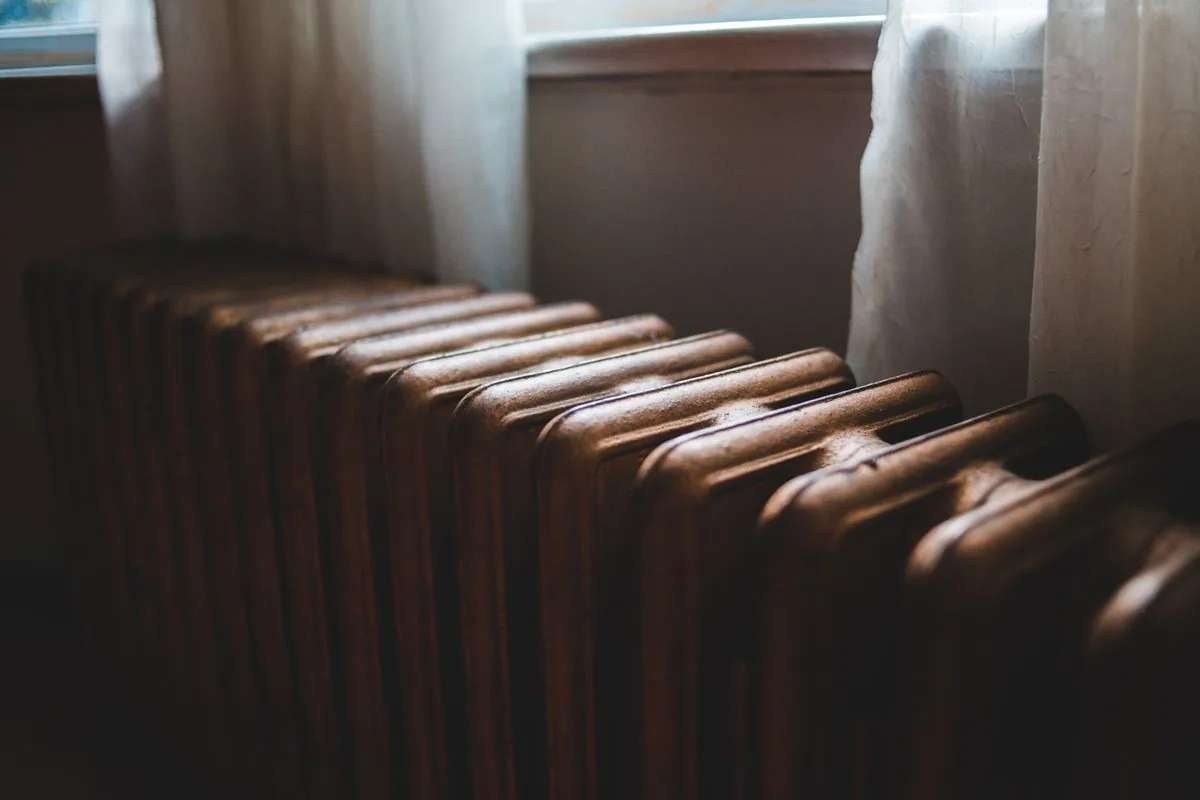
Utility bills are not the same twelve months a year. In most of the United States, gas or electric heating peaks in the coldest months and air conditioning peaks in the hottest. Spring and autumn are the cheap seasons. Understanding that pattern helps you plan and gives a shared home a few simple habits that lower the bill for everyone.
This guide collects practical, low-cost tips for each season. None of them needs special equipment or a big upfront spend, and most work just as well in a rented apartment as in a house.
Winter: heating without the shock
Heating is usually the largest single utility cost in winter. The goal is to keep warm air in and only heat the spaces and hours that matter.
- Lower the thermostat a little. Each degree lower over a full day can trim heating use noticeably. Agree on a household setting, for example 68°F when people are home and lower at night.
- Use a schedule. A programmable or smart thermostat can drop the temperature while everyone is out or asleep and bring it back before you return.
- Block drafts. Draft stoppers under exterior doors and removable weatherstripping around windows are cheap, renter-friendly fixes.
- Use curtains wisely. Open curtains on sunny windows during the day to let in free heat, and close them at night to hold it.
- Dress for the season. It sounds obvious, but a sweater and warm socks at home make a lower setting comfortable.
Space heaters deserve a special mention. They are useful for warming one room, but running one for hours can use a lot of electricity. If one roommate relies on a space heater, the household may want to account for it in how the electricity bill is split.
Spring: the reset season
Mild weather is a chance to reset habits and fix the small things that waste energy all year.
- Check filters. Heating and cooling systems work harder with a clogged filter. If you rent, ask your landlord when filters are changed and whether you can do it.
- Look for leaks. A dripping tap or a running toilet can waste a surprising amount of water. Many leaks are quick fixes, and landlords usually want to know about them.
- Open windows. On comfortable days, natural ventilation replaces both heating and cooling.
- Review your plans. Spring is a good time to check internet and phone plans for cheaper tiers, because bills are steady and easy to compare.
It is also a good moment to look back at the winter bills and ask whether the split felt fair. If one person used a lot more heat, agree on any change before the next cold season.
Summer: cooling for less
Air conditioning can push electricity bills to their annual high. A few habits make a big difference.
- Set a sensible temperature. Around 78°F when people are home is a common recommendation, with higher settings when the home is empty.
- Use fans. Ceiling and standing fans use far less power than air conditioning and make a room feel several degrees cooler.
- Block the sun. Close blinds and curtains on sun-facing windows during the hottest part of the day.
- Cook smart. Ovens heat up the whole kitchen. Use a microwave, grill or slow cooker on the hottest days.
- Run appliances late. Dishwashers and dryers add heat. Running them in the evening keeps the home cooler during the day.
If your provider uses time-of-use pricing, electricity is cheaper at certain hours. Shifting laundry and dishwashing to off-peak times can lower the bill without using any less power.
Autumn: prepare for the cold
Autumn is the time to prepare before heating season starts.
- Test the heating early. Turning it on for the first time on a cold night is not the moment to discover a problem.
- Seal gaps. Replace worn weatherstripping and add draft stoppers before the first cold snap.
- Plan the budget. Look at last winter's bills and set aside a little extra each month in autumn so the January bill is not a shock.
All-year habits
Some habits save money in every season:
- Switch to LED bulbs. They use a fraction of the power of older bulbs and last for years.
- Unplug or switch off standby devices. Chargers, consoles and TVs left on standby draw power around the clock. A power strip with a switch makes it easy.
- Wash clothes in cold water. Most of the energy in a load of laundry goes into heating the water.
- Take shorter showers. Hot water is heated by gas or electricity, so every minute counts twice: once on the water bill and once on the energy bill.
- Fill the dishwasher and washing machine. Full loads use the same energy as half loads.
Making it a household effort
In a shared home, saving energy only works if everyone takes part. Rather than policing each other, agree on a few simple rules, such as thermostat settings and turning lights off in empty rooms, and let the monthly bill show the results.
Seasonal swings also affect how bills are split. If roommates move in and out at different times of year, recalculating every month with the real numbers is fairer than a fixed monthly amount. A quick split each month keeps everyone paying for the season they actually lived through.
Small changes rarely feel dramatic on their own, but together they can take a noticeable amount off a year of utility bills. Shared between roommates, that is money everyone notices.


For general information only. This is not financial, investment, insurance, tax or legal advice. Please check official sources or a qualified professional for your situation.